
Skip to content

ISO/IEC 17043 accredited · Electrical (PJLA L24-898)

Electrical proficiency testing: digital multimeter

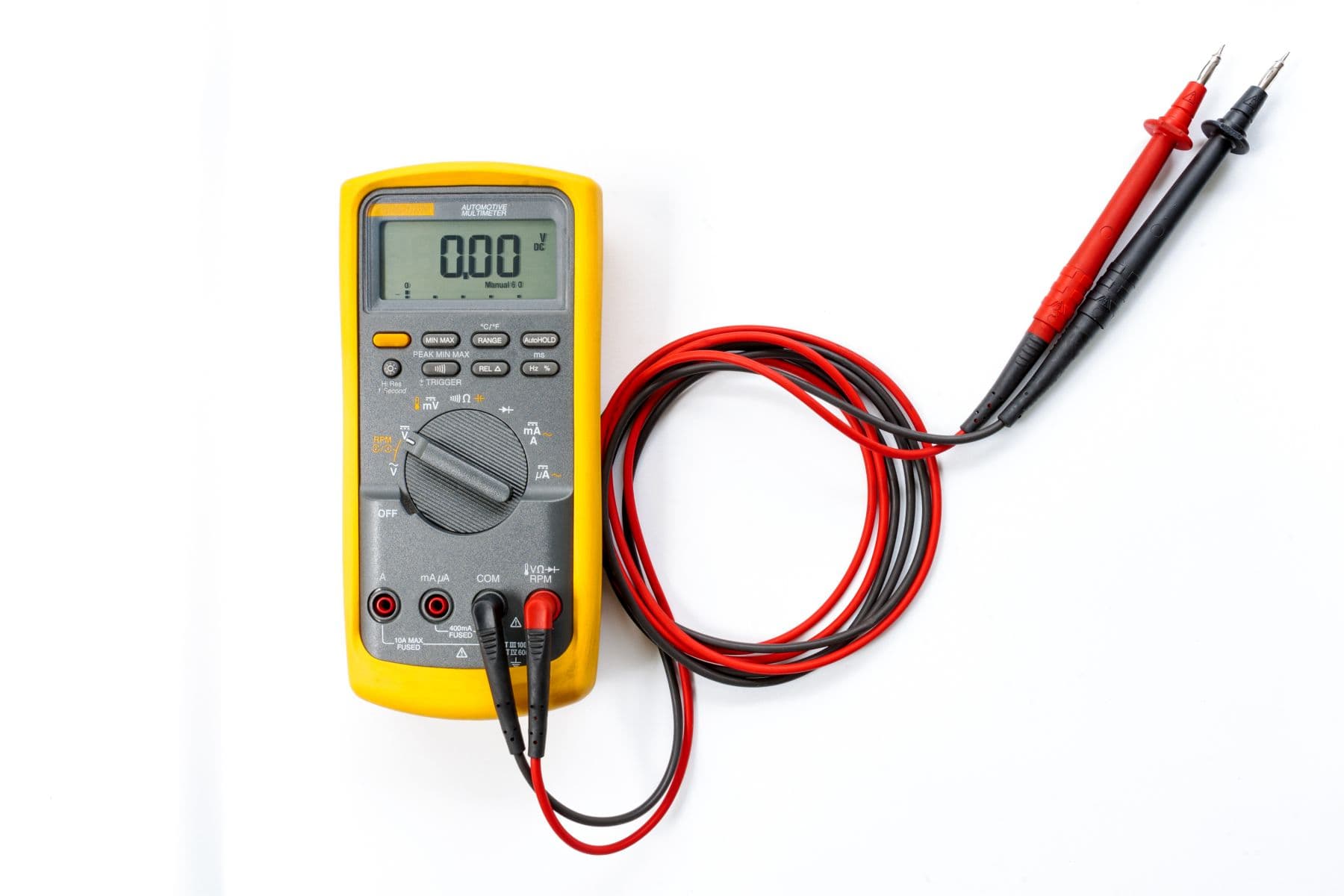
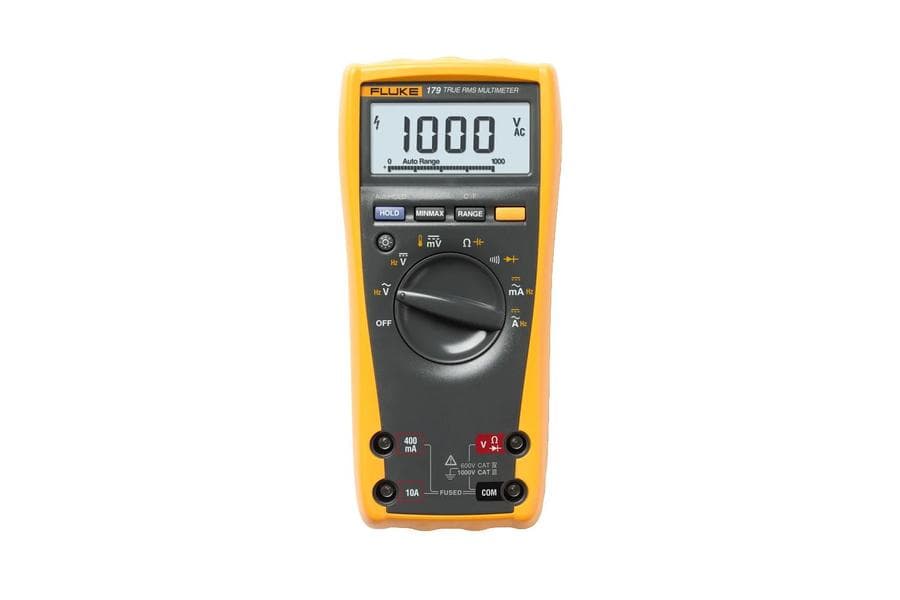
A multimeter PT for labs that calibrate handheld DMMs. We send a characterized Fluke 179 3½-digit multimeter. Your technician sources 13 values into it from your calibrator, using your normal procedure, and reports each reading with its expanded uncertainty. We score every point with an En number against our reference value.

Electrical calibration bench

The program

Digital Multimeter proficiency test kit

Digital Multimeter proficiency test

Calibration of a 3.5-digit digital handheld multimeter.

Kit
Fluke 179 3½-digit handheld digital multimeter
Test points
50.0 mV DC, 200.0 V DC, 500.0 mV @ 45 Hz AC, 200.0 V @ 1 kHz AC, 3.00 mA DC, 250.0 mA DC, 3.00 mA @ 45 Hz AC, 250.0 mA @ 1 kHz AC, 500.0 Ω, 250.0 kΩ, 9.50 µF, 5 V @ 10.00 kHz, 100.0 °F
You'll need
A standard capable of sourcing DC Voltage, AC Voltage, DC Current, AC Current, Resistance, Capacitance, Frequency, and Thermocouple…
Note
Before the Type K reading, wait 3 minutes for thermal EMFs to settle.
Price
$695 for one participant, +$100 each additional participant
Sample instructions
  1. Source 50.0 mV DC into DMM-112 and record voltage reading and uncertainty on the Data Reporting Sheet.
  2. Source 200.0 V DC into DMM-112 and record voltage reading and uncertainty on the Data Reporting Sheet.
  3. Source 500.0 mV @ 45 Hz AC into DMM-112 and record voltage reading and uncertainty on the Data Reporting Sheet.
  4. Source 200.0 V @ 1 kHz AC into DMM-112 and record voltage reading and uncertainty on the Data Reporting Sheet.
  5. Source 3.00 mA DC into DMM-112 and record current reading and uncertainty on the Data Reporting Sheet.
  6. Source 250.0 mA DC into DMM-112 and record current reading and uncertainty on the Data Reporting Sheet.
  7. Source 3.00 mA @ 45 Hz AC into DMM-112 and record current reading and uncertainty on the Data Reporting Sheet.
  8. Source 250.0 mA @ 1 kHz AC into DMM-112 and record current reading and uncertainty on the Data Reporting Sheet.
  9. Source 500.0 Ω into DMM-112 and record resistance reading and uncertainty on the Data Reporting Sheet.
  10. Source 250.0 kΩ into DMM-112 and record resistance reading and uncertainty on the Data Reporting Sheet.
  11. Source 9.50 µF into DMM-112 and record capacitance reading and uncertainty on the Data Reporting Sheet.
  12. Source 5 V @ 10.00 kHz into DMM-112 and record frequency reading and uncertainty on the Data Reporting Sheet.
  13. Source 100.0 °F Type K into DMM-112 and record temperature reading and uncertainty on the Data Reporting Sheet. Allow 3 minutes before taking a reading to allow thermal EMFs to dissipate fully.
  14. Email results and your uncertainty budget to proficiency@lakebalance.com
  15. After you've received your completed test results, return to Lake Balance Calibration Solutions.

Kit barcodes in these sample instructions are examples; the kit you receive may differ.

What the multimeter PT tests

The 13 points cover the functions most handheld meter calibrations include: DC voltage, AC voltage at 45 Hz and 1 kHz, DC current, AC current, resistance, capacitance, frequency and a Type K thermocouple input. Voltage, current and resistance are each tested at a low and a high value, so one PT covers a broad slice of a typical electrical scope.

Because each point is scored on its own, the report shows which function needs attention. An AC current point at 1 kHz and a resistance point at 250 kΩ can fail for very different reasons.

Getting a satisfactory result

  • Source each value from the calibrator you use for customer DMM work.
  • Allow 3 minutes before taking the thermocouple reading.
  • Include the PT meter's resolution in your uncertainty budget.
  • Report expanded uncertainty at the coverage factor you use on customer certificates.

How it's scored

Each reported value is compared with the Lake Balance reference value using the En number, which accounts for both your expanded uncertainty and ours. An |En| below 1 is satisfactory. Your report is released in the customer portal.

Accreditation

Lake Balance is accredited by PJLA to ISO/IEC 17043:2023 as a proficiency testing provider (certificate L24-898). The scope supplement lists the Electrical scheme: multimeters.

View certificate and scope

Electrical PT questions

What equipment do we need for the multimeter PT?

A standard that can source DC voltage, AC voltage, DC current, AC current, resistance, capacitance, frequency and thermocouple simulation, typically a multifunction calibrator.

Which points are tested?

50.0 mV and 200.0 V DC; 500.0 mV at 45 Hz and 200.0 V at 1 kHz AC; 3.00 mA and 250.0 mA DC; 3.00 mA at 45 Hz and 250.0 mA at 1 kHz AC; 500.0 Ω and 250.0 kΩ; 9.50 µF; 10.00 kHz at 5 V; and 100.0 °F Type K.

Is electrical PT within your ISO/IEC 17043 accreditation?

Yes. The PJLA L24-898 scope supplement lists an Electrical scheme for the calibration of multimeters. The certificate and scope are on our accreditation page.

Other PT disciplines

Compare every discipline, pricing and the PT process on the calibration proficiency testing page.

Plan your electrical PT

Choose a program, the number of participants and a preferred test date. We'll match a kit, confirm the schedule and price, and invite you to the portal.

Request a PT